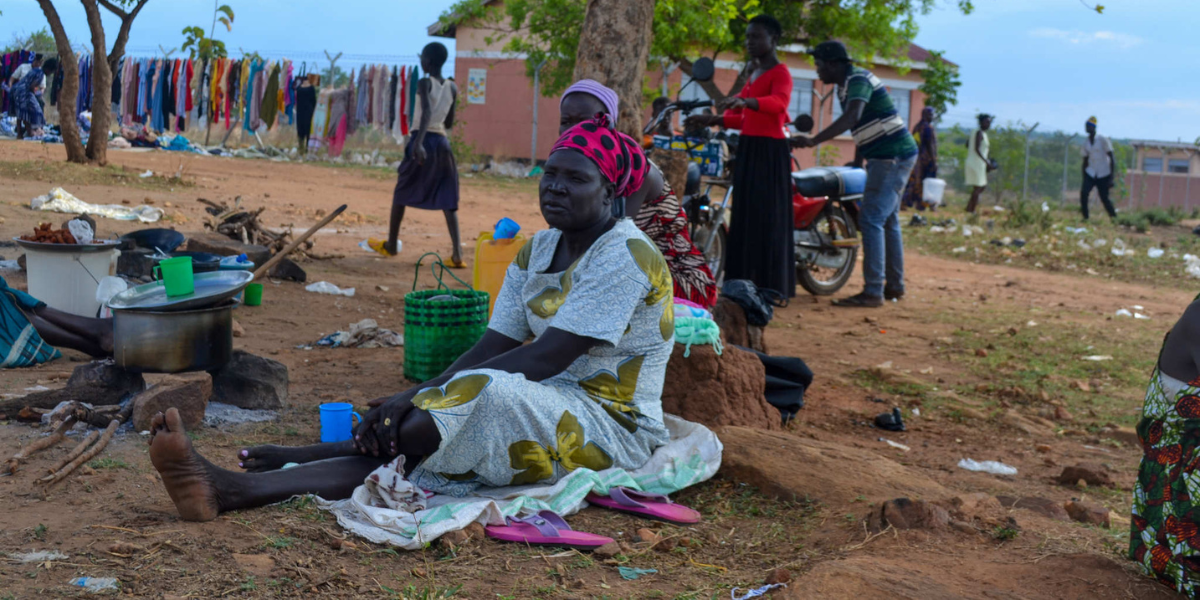
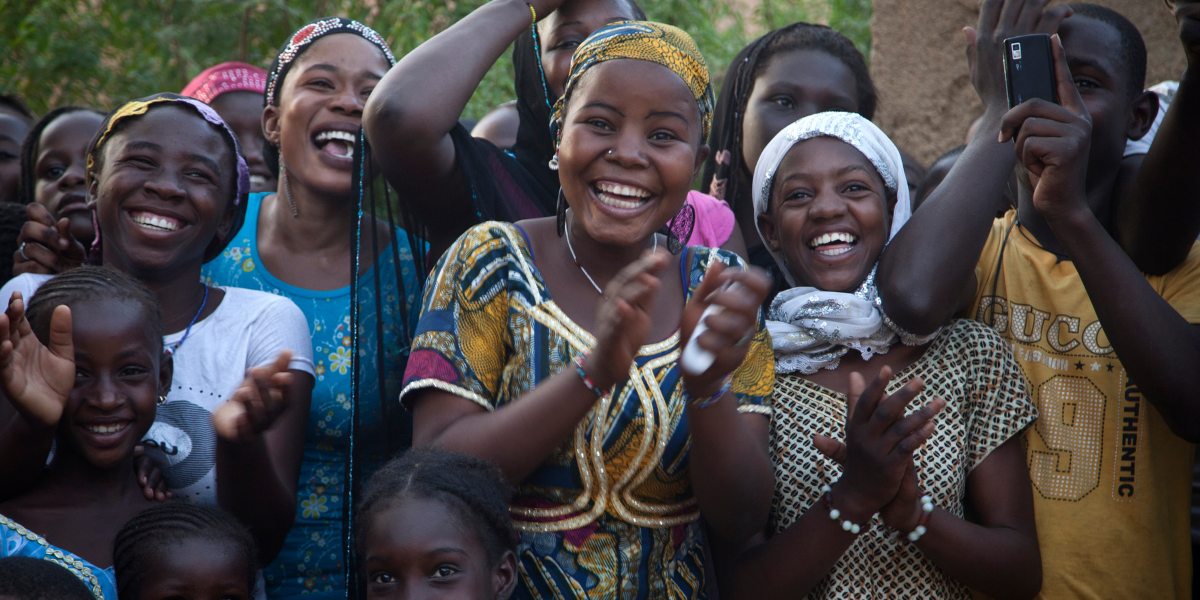
We need to talk about something most charities are afraid to talk about. Where the money actually goes. Not in the vague, feel-good language of annual reports. Not in the kind of carefully worded paragraph that says a lot while revealing very little. But in the honest, specific, ground-level detail that tells you — the person who trusted us with your generosity — exactly what happened to your donation between the moment it left your hands and the moment it changed someone's life in Buea, Southwest Cameroon.
That is what this post is. No fluff. No filler. Just the truth about how Assertive Care Organization works, what it costs, and why every franc and every dollar directed toward this community is one of the most powerful investments you will ever make in another human being.
First, Let Us Tell You Where We Are
Buea sits at the foot of Mount Cameroon — one of Africa's most active volcanoes — in the Southwest Region of a country that has been living through a slow-burning crisis for nearly a decade now. The Anglophone conflict that erupted in 2016 has displaced over 583,000 people across the Northwest and Southwest regions. The Southwest alone has endured eight consecutive years of below-average harvests. Food prices in Buea's markets have been running 10 to 19 percent higher than the previous year and significantly above the five-year average. And a staggering study of Buea Municipality found that nearly 99.3% of rural households experience measurable food insecurity.
This is not a comfortable statistic to write. But it is the truth of the terrain where ACO works every single day. And it is the reason that every programme we run, every shilling we spend, and every relationship we build with a community member is done with the full weight of that reality behind it.
When you donate to ACO, you are not donating to a distant, abstract idea of poverty. You are investing in a specific family, in a specific village, in a region that is carrying a specific and extraordinary burden — and refusing to be defined by it.
How ACO Uses Donations: The Four Pillars
We operate four core programmes. Here is exactly what your support enables within each one.
Pillar One: Adult Education & Women's Empowerment
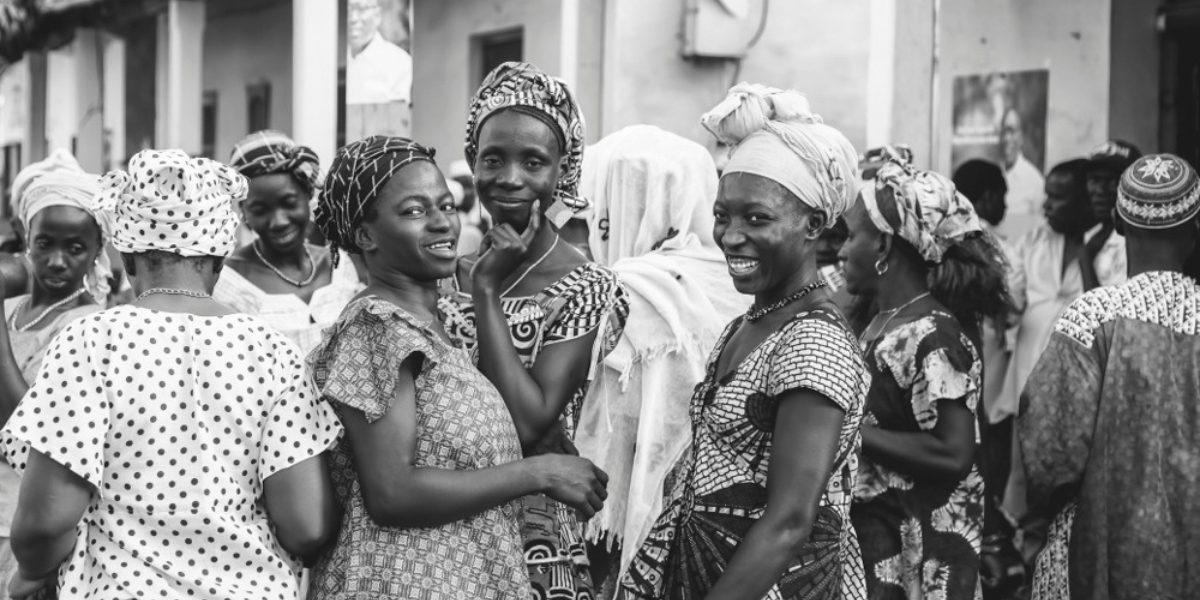
What it addresses: In rural Southwest Cameroon, there are women who never had the chance to complete their education — not because they lacked intelligence, but because early marriage, household responsibilities, or conflict interrupted everything. Many cannot read a contract, calculate their farm's profit margin, or write a letter to their child's school. This invisibility is not accidental. It is the product of decades of structural neglect and cultural barriers that told women, quietly and repeatedly, that formal knowledge was not for them.
What your donation funds: ACO's Adult Education Programme operates evening and weekend literacy and numeracy classes in community centres, churches, and safe spaces that are accessible to rural women. We provide trained facilitators who speak local languages, printed learning materials adapted to adult learners, and a curriculum that connects reading and writing directly to real-life skills — understanding land ownership papers, running a small business, navigating health information, and advocating for your own rights.
The Women's Empowerment arm of this pillar goes deeper. We facilitate safe dialogue circles where women share experiences, learn their legal rights, and build the confidence to use them. We connect women to microfinance and savings groups. We train community leaders — including men and traditional chiefs, many of whom are increasingly open to supporting women's land and legal rights — to become advocates for gender equality within their own circles of influence.
What this costs and what it delivers: Running one adult education cohort for twenty women — including facilitation, materials, and light refreshments that make attendance possible for women juggling childcare — costs the equivalent of what many people spend on a restaurant meal each week. But the return is not measured in meals. It is measured in the moment a woman reads her first full sentence and weeps — not from sadness, but from the recognition that the door she thought was permanently closed to her was only ever locked from the outside.
Pillar Two: Vocational Training — Carpentry, Tailoring & Entrepreneurship
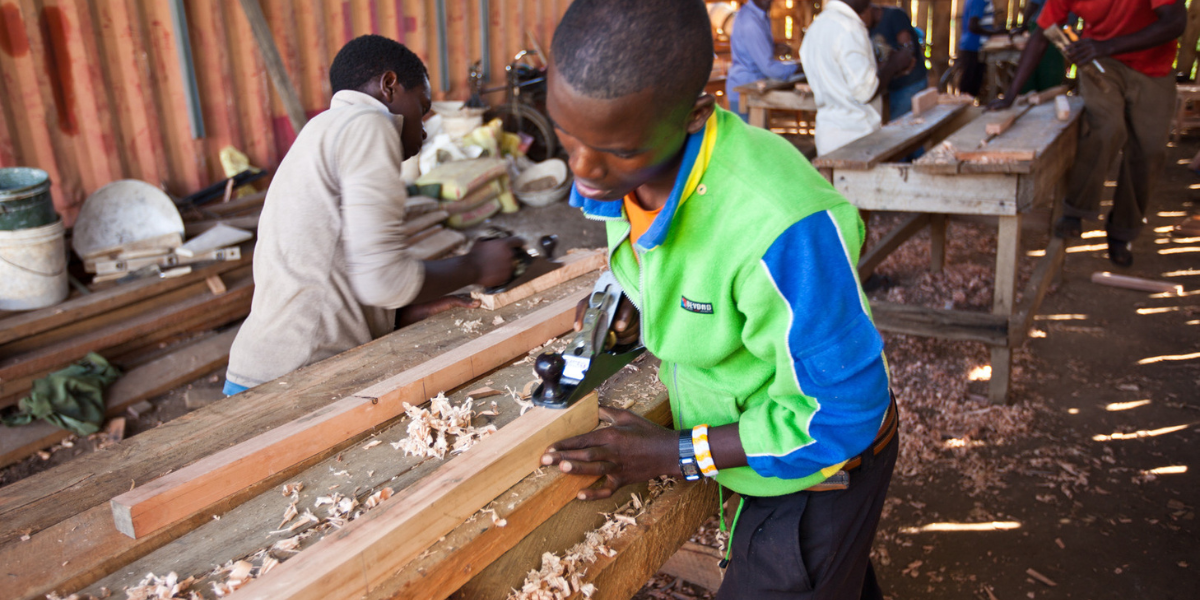
What it addresses: More than 40 percent of Cameroon's population lives below the poverty line, and for young people, there are often no openings for qualified training and hardly any career prospects. Many end up migrating to cities where they live in difficult conditions and are exploited as low-cost workers. In the Southwest, this crisis is compounded by conflict-driven displacement. At-risk youth — young men and women who have dropped out of school, lost family livelihoods to insecurity, or simply aged out of a system that had no plan for them — need not a hand-up or a handout, but a trade. A skill that belongs to them permanently. Something that cannot be taken away.
What your donation funds: ACO's Vocational Training Programme runs structured, hands-on training in three trades: carpentry, tailoring, and entrepreneurship. Each cohort runs for six months, led by master craftspeople from within the community. Carpentry is vital for both structural and finishing work in one of Cameroon's fastest-growing sectors, and well-trained carpenters can find jobs easily or run their own workshops. Tailoring, similarly, is a skill with immediate market demand — in villages, towns, and cities alike — and provides a foundation for building a garment business.
The entrepreneurship track is woven through both trades. We do not just teach someone how to cut wood or sew a seam. We teach them how to price their labour, keep accounts, find customers, negotiate with suppliers, and build a business that sustains a family. Every graduate leaves with a starter kit — tools appropriate to their trade — and access to ACO's alumni mentorship network.
What this costs and what it delivers: Equipping and training one youth in a six-month vocational programme — including tools, instructors, materials, and business coaching — costs a fraction of what one year of unemployment costs a family in healthcare, nutrition, and lost economic opportunity. The trades we teach are not seasonal. They are not dependent on government employment. They are livelihoods that a young person owns outright. And because parents in communities like ours deeply understand the importance of technical skills and want their children to be self-employed and job creators, a trained graduate from ACO's programme becomes not just employed, but a source of community pride and economic ripple — hiring peers, training apprentices, and building something permanent.
Pillar Three: Zero Hunger Initiatives
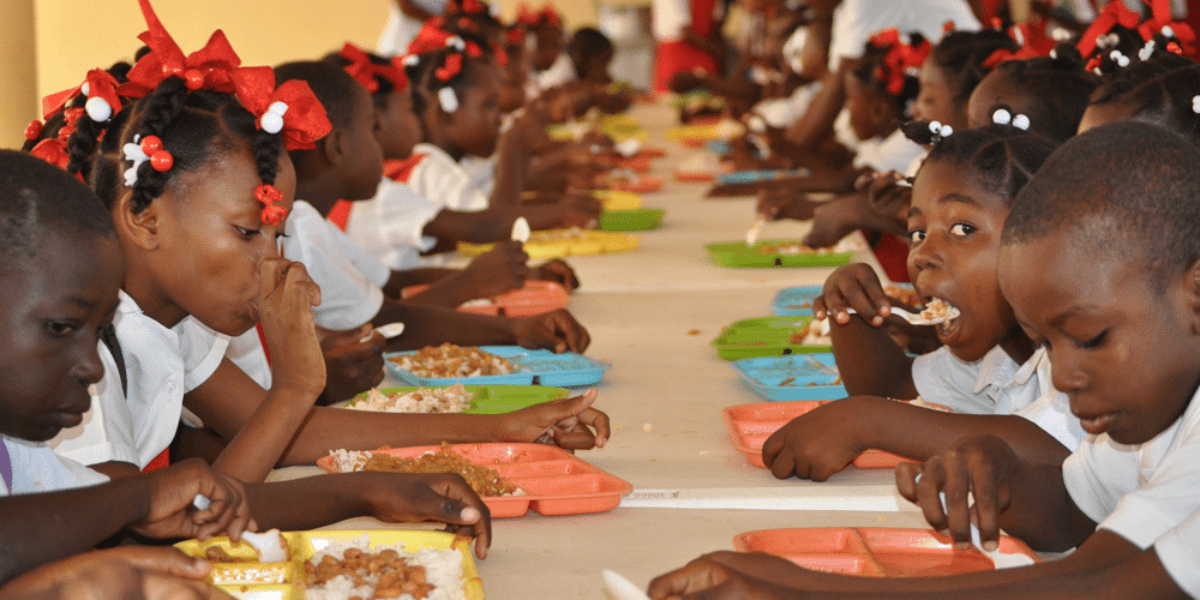
What it addresses: Food insecurity in Cameroon is reaching alarming levels, with 3.3 million people needing humanitarian assistance in 2025, including more than 2 million internally displaced people, refugees and returnees. In Buea Municipality specifically, food insecurity among rural households is not a distant statistic — a community-based survey found that household food insecurity is highly prevalent in the Buea Health District area, primarily as a result of low dietary diversity, which impacts the nutritional status of children under five. Gender disparities amid food insecurity highlight the need for gender-sensitive interventions.
Hunger does not announce itself politely. It looks like a mother skipping her own meals so her children can eat. It looks like a child in school who cannot concentrate because his stomach has been empty since the night before. It looks like a family selling its last assets — a goat, a piece of land — to buy food during the hunger season, and then having nothing left when the next crisis comes.
What your donation funds: ACO's Zero Hunger Initiative operates on two levels simultaneously. First, we provide direct nutritional support — community feeding programmes, food packages for the most vulnerable households, and school feeding contributions that keep children in classrooms and learning rather than home and hungry.
Second, and more sustainably, we invest in community food production — establishing kitchen gardens, training rural women in improved agricultural techniques, supporting seed banks, and connecting smallholder farmers with better storage and market options so that food grown in the community stays in the community. We run nutrition education workshops that teach families how to maximize the dietary value of locally available food — a particularly powerful intervention when budgets are tight and variety is limited.
What this costs and what it delivers: Feeding a child in school for one term costs less than a single takeaway coffee per day for the duration of that term. Establishing a kitchen garden for one family costs roughly the price of a streaming subscription for a few months. These are not grand gestures. They are modest, deliberate investments in keeping human beings nourished enough to function, to learn, to hope, and to build.
Because here is what we know: hunger is not just the absence of food. It is the presence of a ceiling that nothing else can break through. Education cannot happen when a child is malnourished. Vocational training cannot happen when a young person is surviving on one meal a day. Women's empowerment cannot happen when a mother's entire cognitive and physical energy is consumed by trying to keep her household fed. Zero Hunger is not one programme among several. It is the floor beneath everything else we do.
Pillar Four: Health Outreach — Vaccines, Maternal Health & Preventive Care
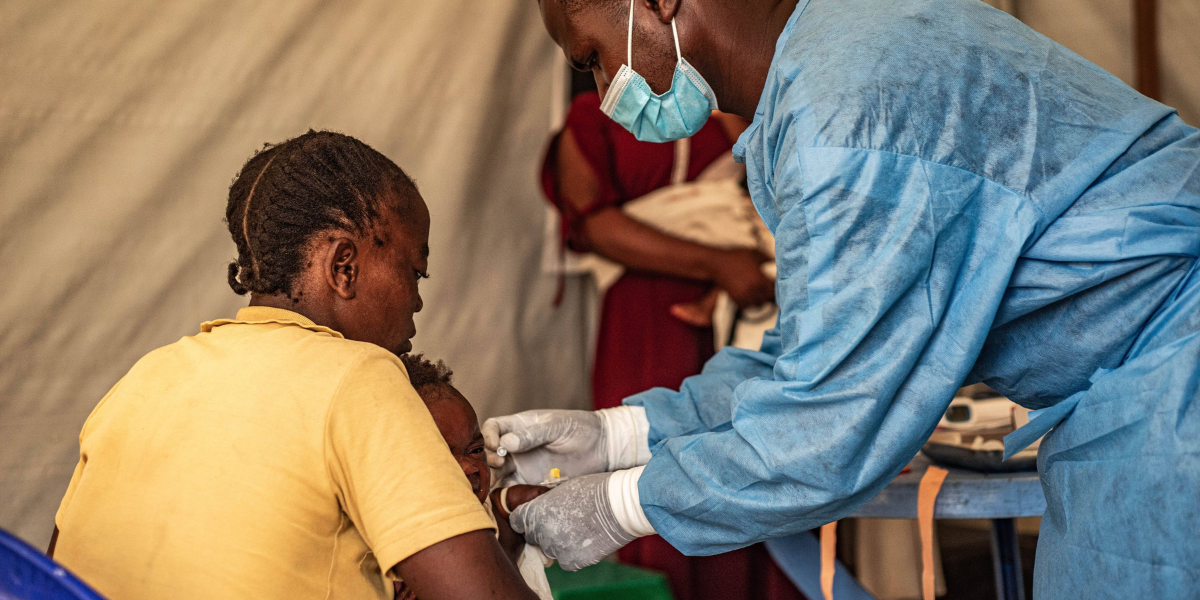
What it addresses: In Cameroon, approximately 130,000 children have been identified as zero-dose since 2019 — meaning they have never received a single routine vaccination. In remote areas of the Northwest and Southwest regions, access to vaccines remains severely limited, with gaps that correlate with low maternal education, inadequate health worker density, poor road infrastructure, and political violence.
In Southwest Cameroon, the crisis has made this worse. Mobile clinics deployed to serve conflict-affected communities often operate under challenging conditions, navigating poor road networks and security threats to provide essential services such as vaccinations, maternal care, and treatment for communicable diseases. Mothers miss scheduled vaccine appointments not because they don't care about their children's health, but because a lockdown has closed the roads, or because the health post is five kilometres away and there is no safe way to travel it.
Maternal health is equally fragile. In 2023, just 49 percent of deliveries in Cameroon occurred in hospitals. Maternal and neonatal deaths remain shockingly high, with nearly equal numbers dying in communities and in hospitals — a reminder that simply reaching a health facility does not guarantee safety.
What your donation funds: ACO's Health Outreach Programme meets people where they are — literally. Our team of trained community health workers travels to rural and peri-urban communities around Buea, conducting vaccination drives for children and mothers, antenatal and postnatal consultations, distribution of essential medicines and maternal health kits, and sensitisation on disease prevention, nutrition, and family planning.
We build trust first. In regions where mistrust of government-led healthcare is deep-rooted, exacerbated by years of conflict, many families refuse vaccination not out of disregard, but due to fear and misinformation. ACO works with community leaders, women's associations, and trusted local figures to create referral pathways and dispel myths — because a vaccine that exists but isn't trusted saves no one.
We also focus intensely on preventive care — teaching communities about handwashing and sanitation, distributing mosquito nets, conducting malaria awareness campaigns, and identifying early warning signs of illness in children under five. Prevention, in low-resource settings, is not just morally preferable to treatment. It is often the only realistic option.
What this costs and what it delivers: The cost of vaccinating one child against the diseases that have historically claimed children's lives in this region is almost incomprehensibly small relative to the outcome it prevents. The cost of equipping one community health worker with the supplies needed for a monthly outreach round is less than most people spend on lunch in a week. And yet vaccination is one of the most effective, inexpensive, and cost-effective intervention strategies to reduce maternal and child morbidity and mortality. These are not marginal gains. They are the difference between a child who lives and one who doesn't.
What ACO Does Not Do With Your Donation
We believe transparency includes being honest about what we avoid, not just what we pursue.
We do not maintain oversized administrative structures. The majority of every donation goes directly to programme delivery — materials, facilitators, food, medicine, tools, and the salaries of the community workers who actually show up in people's lives. Our operations in Buea are lean by design, not by accident.
We do not import solutions from outside the community. Our instructors for vocational training are master craftspeople from the Southwest. Our health workers are from the communities they serve. Our literacy facilitators speak the same languages, cook the same foods, and understand the same pressures as the women they teach. This is not just an ethical choice — it is a practical one. Interventions led by community insiders are more trusted, more sustainable, and more effective.
We do not chase donor trends. We do not launch programmes because they are fashionable or because a particular funding stream has opened. We run the four programmes we run because they address the four most foundational barriers standing between our communities and a dignified life — and we run them consistently, quietly, and for the long term.
What One Month of Your Support Looks Like in Real Life
We want to be as concrete as possible, because generosity deserves specificity.
One month of consistent community support from ACO means that somewhere in the villages surrounding Buea, a woman who could not read her lease agreement last year is tonight sitting under a lamp, writing her own name and reading it back to herself — and feeling, for the first time, completely seen.
It means a twenty-two-year-old who was drifting toward the city with no plan and no skills is now three months into a carpentry training programme, his hands learning the language of wood, his mind beginning to calculate what his own workshop might look like in two years.
It means a child ate lunch at school today — and therefore stayed alert, participated, and is one day closer to the version of themselves that they deserve to become.
It means a grandmother in a remote community held out her granddaughter's arm and watched a community health worker from ACO administer a vaccine that protects against diseases that once, not so long ago, simply killed children without anyone being able to stop it.
None of these moments make headlines. But every single one of them is a life — a whole, irreducible, extraordinary human life — moving in a different direction than it would have moved without your support.
Our Promise to You
At ACO, we make four commitments to everyone who trusts us with their donation.
We will be honest. If a programme is not working, we will say so and change it. If costs increase, we will explain why. If we make mistakes, we will name them.
We will be specific. We will never hide behind vague language. You will always be able to trace your contribution to an actual outcome — a person trained, a meal provided, a child vaccinated, a woman empowered.
We will be rooted. We will never forget that our authority to do this work comes from the communities we serve, not from the donors who fund it. Community dignity and community ownership will always come first.
We will keep going. The challenges in Southwest Cameroon are not going to resolve themselves quickly. We are not here for a single campaign or a moment of media attention. We are here — in Buea, on the ground, building relationships and changing lives — for the long haul.
This Is What Your Donation Actually Does
It does not disappear into an overhead budget. It does not fund glossy brochures or international conference travel. It does not sit in an account while committees debate strategy for another quarter.
It goes to a woman in an evening literacy class who is learning to write her own name. It goes to a young man whose hands are becoming skilled in a trade that will never leave him. It goes to a family that ate today, and will eat again tomorrow. It goes to a child who is protected, vaccinated, and seen by someone who showed up in their village not because it was convenient, but because it was right.
That is where your donation goes.
And if that is a place you want to invest in — if the villages around Buea, the women of the Southwest, the at-risk youth of this resilient and extraordinary region feel worth your generosity — then we would be honoured to be the vehicle through which your care reaches them.
Every contribution matters. Every single one.
To support ACO's programmes directly, or to learn more about our work in Buea and the Southwest Region, visit our website or reach out to our team. We believe in open conversations, honest reporting, and deep, lasting partnership with everyone who shares our vision of a Southwest Cameroon where every person — regardless of gender, age, or circumstance — has the tools and the dignity to build a meaningful life.

Leave a comment
Your email address will not be published. Required fields are marked *