Here is a thought experiment.
Imagine a leaking pipe inside a wall. Water is pooling on the floor. Every hour, someone comes with a mop. They clean the floor. They leave. An hour later, the floor is wet again. They come back with the mop.
This goes on for years.
The floor is mopped. The wall stays wet. The pipe keeps leaking. And eventually, slowly, invisibly, the foundations of the house begin to rot.
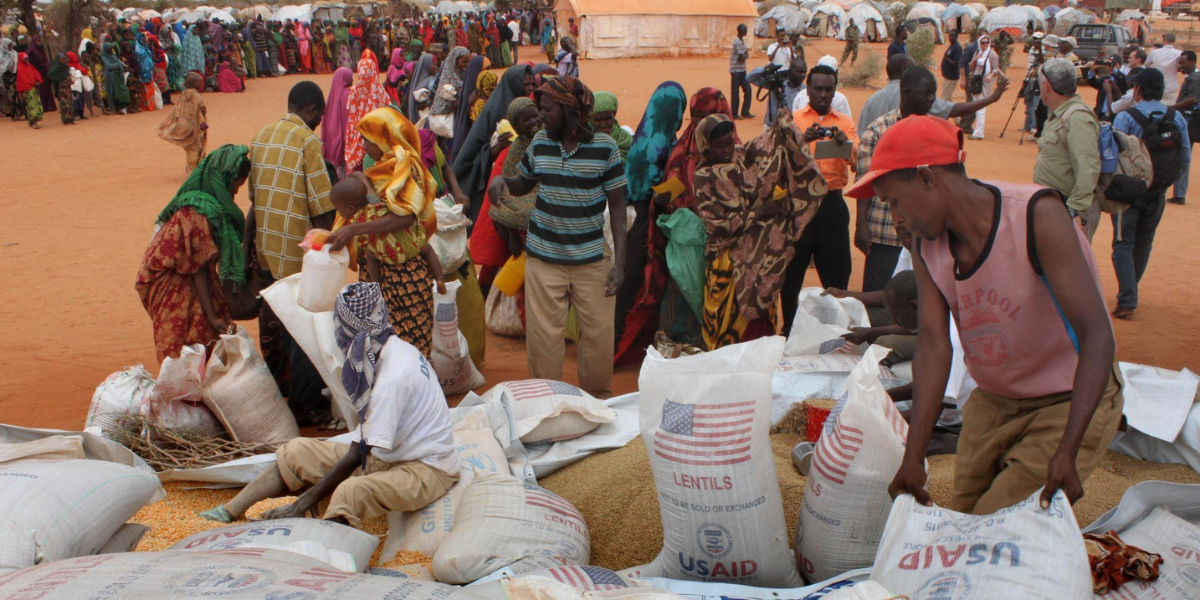
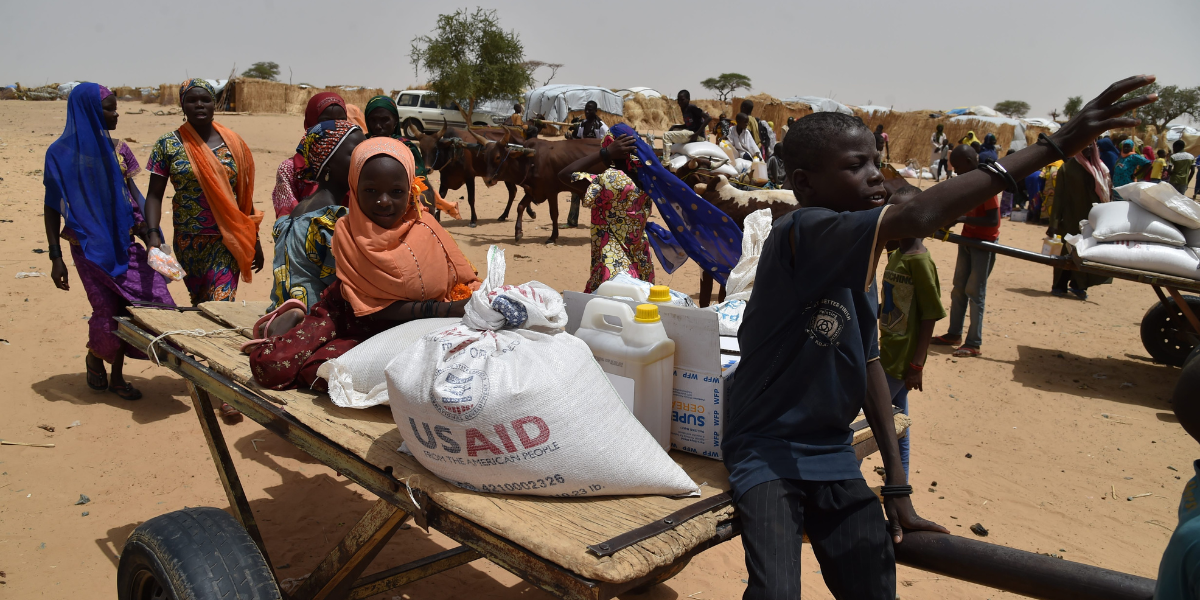
This is what short-term aid, applied to structural poverty, has often looked like in communities across sub-Saharan Africa. The mopping is real. The care behind it is genuine. But the pipe — the system — is never touched.
At Assertive Care Organization, we are not in the mopping business.
We are in the business of finding the pipe.
Why "Aid" Alone Has Never Been Enough
The world has poured extraordinary resources into poverty alleviation in Africa over the past six decades. Billions of dollars. Thousands of organisations. Countless programmes, initiatives, campaigns, and appeals. And while genuine progress has been made in some areas, the uncomfortable truth is that poverty in rural sub-Saharan Africa is not simply declining in proportion to the resources directed at it.
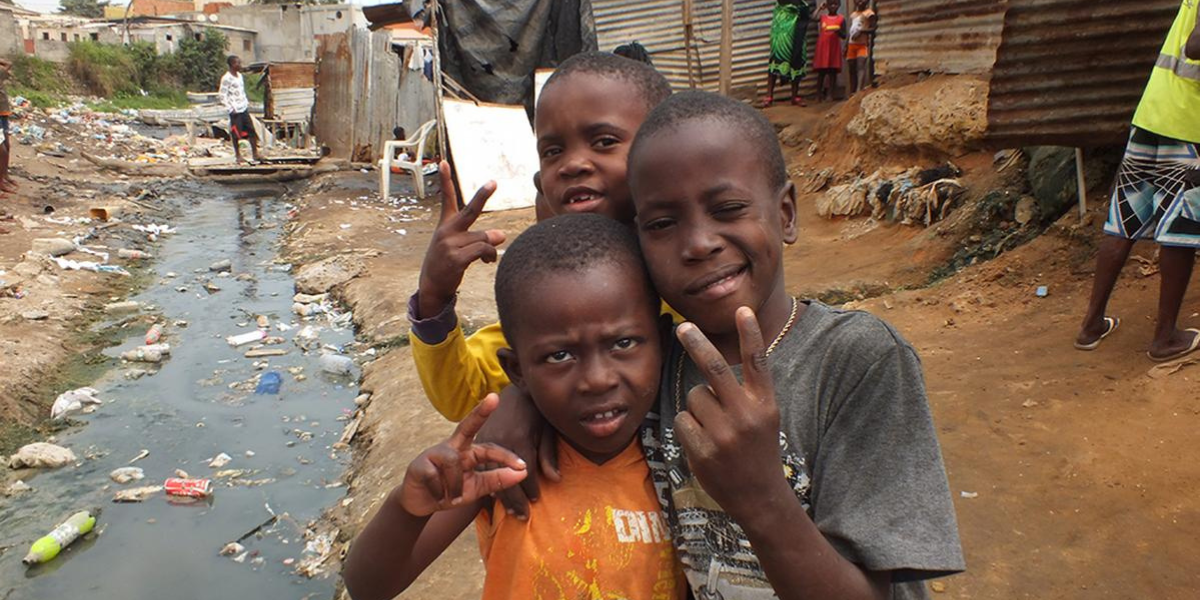
Budget allocations for poverty alleviation programs have increased progressively, but poverty reduction has slowed in recent years. In the Southwest Region of Cameroon specifically, rural poverty is not an abstraction. It is the lived daily reality for communities navigating the overlap of the Anglophone crisis, chronic food insecurity, healthcare deficits, gender inequality, and a youth employment emergency — all at the same time, all feeding each other, all resisting the kind of single-issue response that most external programmes deliver.
The question is not whether people are suffering. They are. The question is not whether help is needed. It urgently is. The question — the one that ACO has been grappling with since its founding in Buea — is this: what kind of help actually works?
The answer, we believe with every ounce of our experience, is this: help that understands poverty not as a single problem to be solved, but as a system to be transformed.
Poverty Is Not One Thing. It Is Everything at Once.
This is the central insight on which ACO's entire model is built. It seems simple. It is, in practice, a radical departure from how most development work gets designed and funded.
Poverty is multidimensional. The causes of poverty are not only related to the economy or income. Seven dimensions shape how poverty is experienced and perpetuated: economic deprivation, yes — but also lack of education, poor health, food insecurity, social exclusion, political powerlessness, and vulnerability to shocks. These dimensions do not operate in sequence, one after another, waiting politely for you to address them in turn. They operate simultaneously, reinforcing each other, creating a web that is extraordinarily difficult to escape when you are trying to pull on only a single thread.
Consider what this looks like in a real household in rural Southwest Cameroon.
A mother has not completed her education. Because she lacks literacy and numeracy, she cannot run a business, read a contract, understand the nutritional information on a food packet, or navigate the health system when her child is ill. Because she has no income, she cannot afford adequate food. Because the family is malnourished — and research has confirmed this with precision — the children have difficulty learning, their cognitive development is compromised, and their capacity to benefit from schooling is undermined before they ever walk through a classroom door. Because the children miss school — either from illness, from being needed at home, or from a family that cannot afford school fees when survival itself is uncertain — they grow into adults who face the same barriers their mother faced.
Malnourished children who fail to excel academically will themselves grow up to be poor parents, given the inextricable education-income linkage. In other words, lack of education and malnutrition work together at various levels to create a vicious cycle of illiteracy, poverty and poor health.
Read that sentence carefully. It describes not a problem, but a cycle. A self-reinforcing loop. A system.
And you cannot break a system with a single intervention aimed at a single node. You need to act at multiple points simultaneously — with the specific knowledge that what you do in one area will strengthen, not undermine, what you do in another.
That is the logic of ACO's model. And it is the reason our four programmes are not four separate things. They are four parts of one coherent system.
The ACO Model: Four Pillars, One Architecture
Let us be precise about what we mean when we say our work is holistic, because that word is used so often in development circles that it has begun to mean almost nothing.
Holistic, for ACO, does not mean "we do a lot of things." It means we have mapped the specific interconnections between the barriers facing rural communities in Southwest Cameroon, and we have designed four programmes that, together, address the complete architecture of those barriers — in a sequence and a combination that allows each programme to amplify the impact of the others.
Here is how that architecture works in practice.
Pillar One: Adult Education & Women's Empowerment — The Foundation of Everything Else
Education is not one development goal among several. It is the variable that changes the trajectory of all the others.
Inclusive education is essential in improving health performance in Sub-Saharan Africa. Countries that have achieved universal access to primary education not only reduce poverty — they produce communities with healthier children, better nutrition, stronger civic participation, and more responsive governance. The pathway runs in both directions: educated women raise healthier, better-nourished children; better-nourished children learn more effectively and reach higher levels of education. Education in every society serves as a right for individuals and a principal component that determines socioeconomic status, influencing livelihood, especially in its dimension of health status.
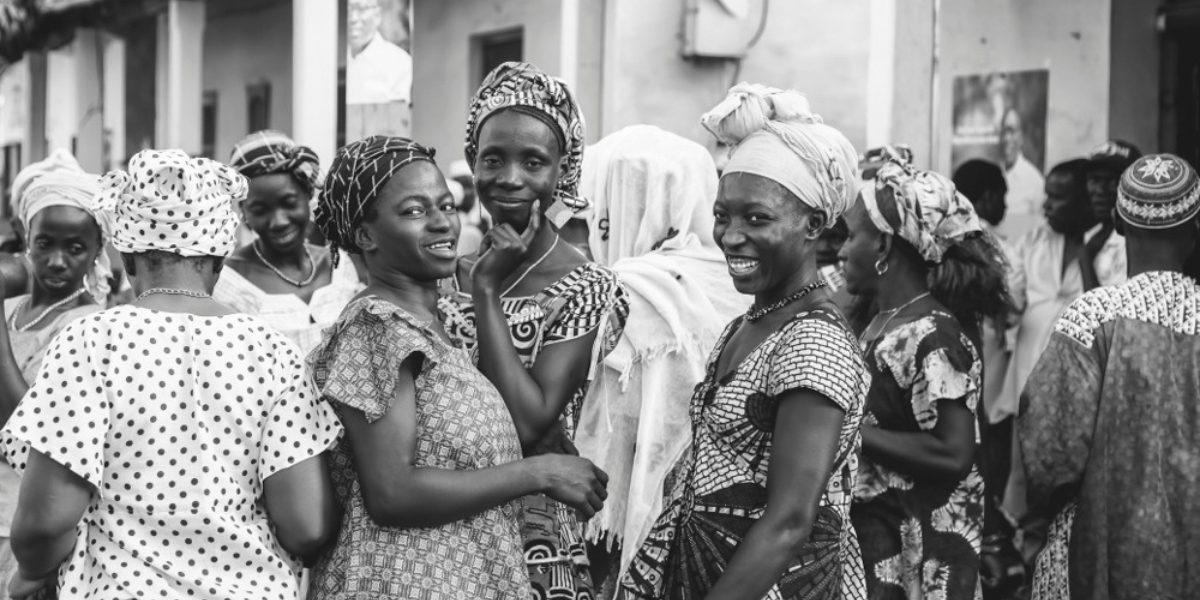
This is why adult literacy — particularly for women — is the foundation on which everything else ACO builds rests. A woman who can read her land rights understands what she owns. A woman who can do basic numeracy knows whether she is being cheated at market. A woman who can read health information makes better decisions about her children's nutrition, vaccination schedules, and early illness detection.
She does not just become a better-educated person. She becomes a more effective mother, farmer, business owner, community leader, and health advocate. The ripples of literacy move outward in every direction simultaneously.
When ACO teaches a woman to read in a community centre outside Buea, we are not just delivering a literacy lesson. We are adjusting the entire development trajectory of her household for the next generation.
Pillar Two: Vocational Training — Converting Potential into Permanent Livelihoods
Rural livelihood strategies in Cameroon require a more holistic approach than what existing scholarship typically captures. The problem in Southwest Cameroon is not simply the absence of jobs. It is the absence of pathways. Young people who lack vocational skills, formal employment connections, and business knowledge find themselves trapped in subsistence farming or urban migration — two routes that rarely produce stable livelihoods and often accelerate both individual and community poverty.
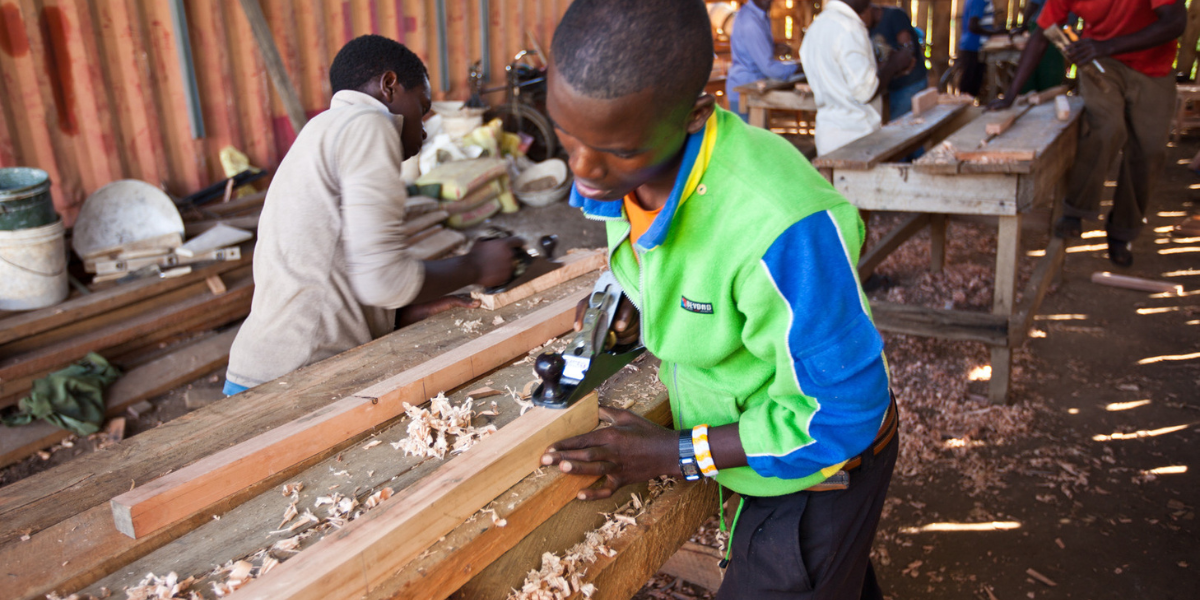
Investment in education, vocational training, and entrepreneurship is crucial for equipping individuals with the skills and opportunities needed to access sustainable livelihoods. ACO's vocational training programme in carpentry, tailoring, and entrepreneurship is not a standalone job creation scheme. It is a livelihood architecture: a set of skills, tools, knowledge, and networks that, taken together, allow a young person to build an independent economic life regardless of what the formal job market looks like.
But here is the connection that makes this a systems intervention rather than a simple training programme: the livelihoods generated by vocational training directly reduce household food insecurity, increase the capacity of families to invest in their children's education, and generate the household economic stability that makes health-seeking behaviours — attending prenatal appointments, vaccinating children, seeking early treatment — possible.
Income is not just income. It is the lever that moves every other barrier simultaneously.
Pillar Three: Zero Hunger — The Floor Beneath All Human Potential
No educational intervention, no vocational programme, and no health outreach campaign can achieve its full potential against the backdrop of hunger. This is not a compassionate assertion. It is a scientific one.
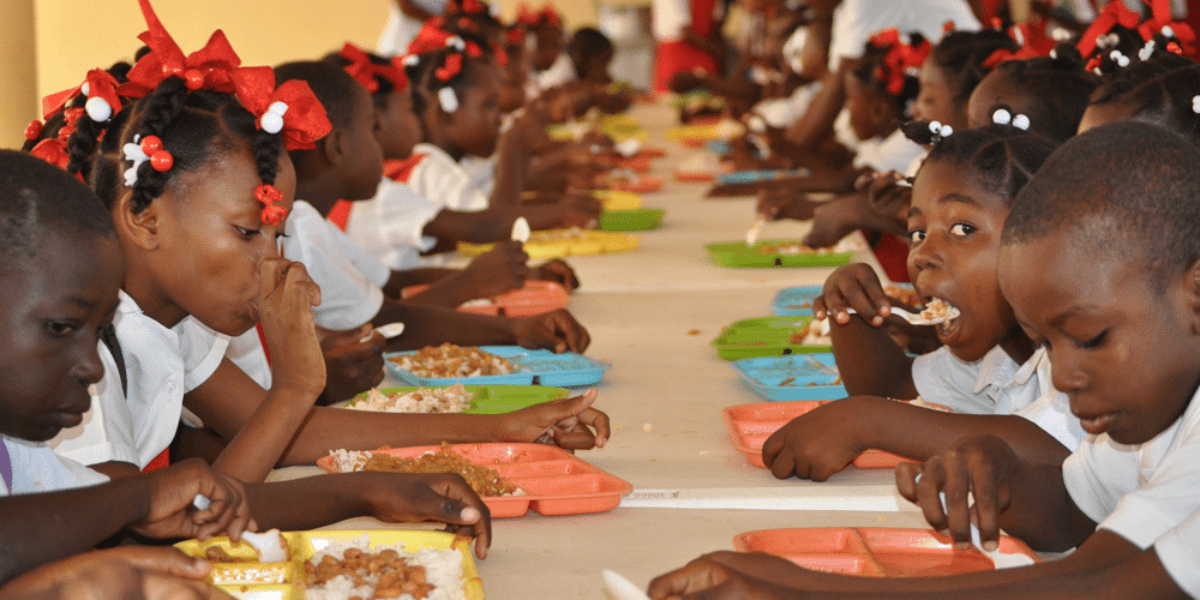
Children with nutritional deficiency have difficulty learning, and nutrition-based supplementation has been proven to improve learning outcomes. A child who is chronically malnourished does not simply struggle academically — they suffer irreversible developmental impacts that no subsequent educational investment can fully repair. A young person whose household food insecurity means they are consuming one nutritionally inadequate meal per day cannot sustain the physical and cognitive energy that vocational training requires. A mother whose entire daily energy is consumed by the crisis of feeding her family cannot participate in an adult literacy programme, even if it is exactly what she needs and exactly what she wants.
Food security, in ACO's model, is not a charitable impulse. It is a strategic prerequisite. We address food insecurity through immediate community nutrition support and, more sustainably, through community food production — kitchen gardens, improved agricultural techniques, seed banks, and local market connections that build household-level food resilience from within.
Drivers of food system inequities are highly interconnected, and progress in addressing one will likely require change across several. We take this seriously. Our Zero Hunger work directly supports the conditions in which education can succeed, in which vocational training can be absorbed, and in which health outreach achieves something more lasting than a single clinic visit.
Pillar Four: Health Outreach — Because Sick Communities Cannot Build Anything
Health is not the end goal of development. It is the condition that makes development possible.
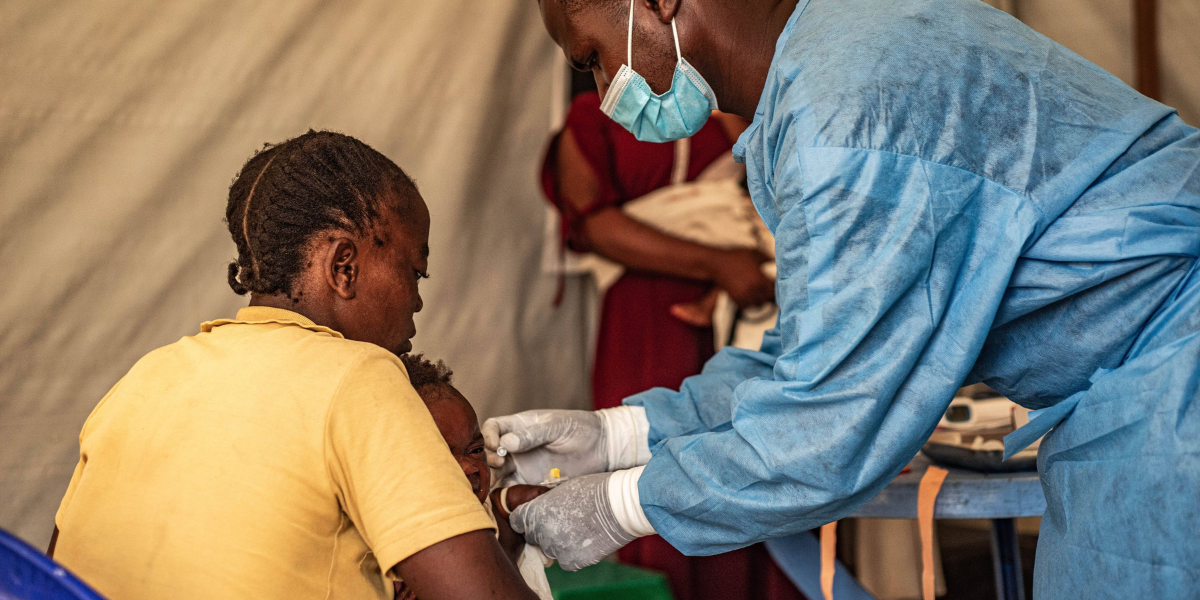
A community where maternal mortality is high cannot invest in women's empowerment — because the women who would lead that empowerment are dying in childbirth. A community where preventable childhood diseases claim significant numbers of children under five cannot sustain educational gains, because the most vulnerable children are removed from the system before they can benefit. A community where illness is chronic and treatment is inaccessible cannot accumulate the economic productivity that makes livelihoods viable.
By tackling root social issues — poverty, low education, inadequate infrastructure — while investing in health service delivery, development actors can advance more equitable health outcomes. ACO's Health Outreach programme brings vaccines, maternal care, and preventive health education directly to rural communities outside Buea. But it does more than deliver health services. It builds health-seeking behaviours, creates trusted pathways between communities and the health system, and generates the biological and physiological stability — especially in women and children — that every other programme we run requires to function.
A child who is vaccinated and healthy can learn. A mother who survives childbirth can raise her children. A family that is not consumed by preventable illness can save money, plant a garden, and send their children to school with enough energy to stay awake.
Health, in our model, is not a separate pillar. It is the life force that runs through all the others.
The System in Motion: How the Pillars Multiply Each Other
The true test of a systems model is not whether its components make sense individually. It is whether, when activated together, they produce outcomes that no single component could achieve alone.
At ACO, we have watched this multiplication happen in real communities over and over. Let us walk through how it looks in practice.
A young woman — call her Nadège — comes from a rural village outside Buea. She is twenty years old, has not completed secondary school, and has a six-month-old child who has not yet been vaccinated. Her household is food insecure. Her partner is unemployed. Her mother-in-law, who controls the household's resources, does not believe that Nadège needs education.
Without a systemic intervention, Nadège's trajectory is predictable. Her child's cognitive development will be compromised by malnutrition. Nadège herself will remain functionally illiterate and economically dependent. Her child will face the same educational barriers she faced. The cycle continues, unchanged, to the next generation.
With ACO's integrated model, something different becomes possible.
Our Health Outreach team reaches her village and vaccinates her child. While there, our community health worker notices signs of malnutrition and connects the family to our Zero Hunger programme, which provides nutritional support and helps the family establish a kitchen garden. The nutrition improves. The household stress around food decreases.
In that newly opened space — the space created when survival is not the only thing on a person's mind — Nadège hears about ACO's Adult Education Programme. She enrolls in the evening literacy class. Within four months, she can read a label, write a letter, and calculate simple accounts. Her confidence changes. Her mother-in-law, watching the change, becomes less resistant.
Six months later, Nadège enrolls in ACO's tailoring programme. By the end of the year, she has a skill, a starter kit, and two clients in the village. She earns enough to contribute to household expenses, to afford the small school fee that will allow her now-toddler to attend the community preschool, and to save a small amount each month.
Her child is vaccinated, nourished, and heading toward school. Nadège is literate, skilled, and economically contributing. Her household is not out of poverty — but it is no longer trapped in the cycle that would have made poverty permanent.
This is not a hypothetical. This is ACO's model, operating exactly as it was designed to operate.
Progress in one area generates co-benefits in others. Systems analysis uncovers how these issues are interconnected, emphasising that progress in one area can generate co-benefits in others. This is the architecture of compound impact — and it only works when the pillars are designed to speak to each other.
What Thought Leadership in Development Actually Requires
We want to say something here that goes beyond ACO's model — something about what it means to think seriously about poverty in the current moment.
The conversation in the development sector is changing. There is growing recognition, hard-won and still contested, that the old paradigm — external actors bringing solutions to passive recipients — has failed to deliver the sustainable transformation that communities deserve. Research sees poverty as the result of an unjust system and requires changes at the institutional level, focusing on policy reform, improving institutional systems, and strengthening inclusive governance mechanisms.
This means that ending poverty requires not just better programmes, but better thinking. It requires organisations willing to name the system — the full, complex, politically inconvenient system — that produces and sustains poverty, and to design their work accordingly.
It requires acknowledging that strength-based interventions, participation, and holistic-multidimensional approaches emerge as the best account of the impact of community-based poverty eradication programs. Not because they are ideologically fashionable, but because the evidence, consistently and across contexts, says so.
It requires accepting that this work takes longer than a funding cycle, produces outcomes that are harder to photograph than a supply drop, and demands a level of community engagement and trust-building that cannot be abbreviated or outsourced.
It requires, most of all, the intellectual honesty to say: we do not have all the answers. The communities we serve have knowledge, wisdom, and understanding of their own circumstances that no external actor — however well-resourced, however well-intentioned — can replicate. A holistic approach is essential for understanding how rural populations construct and navigate livelihood portfolios, and such an approach is crucial to capture the interplay of multiple strategies and inform more effective, context-specific interventions.
This is what ACO tries to practise. Imperfectly, always learning, but with genuine commitment to the idea that communities in Southwest Cameroon are not the object of our work. They are the subject of it.
The SDG Lens: Why Systems Thinking Is Now Globally Recognised Policy
ACO's model is not only grounded in community experience. It is aligned with the most advanced global thinking on sustainable development.
Investment in education, vocational training, and entrepreneurship is crucial for equipping individuals with the skills and opportunities needed to access sustainable livelihoods. Poverty alleviation initiatives address the root causes of environmental degradation and social inequality, thereby promoting resilience and inclusive development.
A multifaceted approach to effective poverty alleviation must prioritise wealth redistribution, job creation, and efficient fiscal measures. Through targeted social programs and equitable resource allocation, governments and their partners can narrow the wealth gap and provide essential support to vulnerable populations.
The Sustainable Development Goals themselves are built on this recognition. SDG 1 (No Poverty), SDG 2 (Zero Hunger), SDG 3 (Good Health), SDG 4 (Quality Education), SDG 5 (Gender Equality), and SDG 8 (Decent Work) are not independent goals. They are a system — a mapping of exactly the interconnections that ACO's four programmes address. Weak institutional capacity and fragmented implementation limit the effectiveness of interventions designed to meet goals such as SDG 2 (Zero Hunger), SDG 4, and SDG 16. Addressing these gaps requires strengthening governance frameworks and ensuring participatory decision-making.
In other words: the world's most sophisticated development framework is telling us what ACO's work on the ground in Buea has already confirmed. You cannot pursue one SDG while ignoring the others. You cannot address hunger without addressing education. You cannot advance women's empowerment without addressing health. You cannot build sustainable livelihoods without addressing food security. They are one problem, requiring one coherent response — delivered with community ownership, local expertise, and the patience to build something permanent.
Our Challenge to the Development Sector
We write this not to claim perfection. ACO is a young organisation, working in extraordinarily difficult conditions, in a region still living through active crisis. We make mistakes. We learn from them. We adapt.
But we do write this with conviction.
The development sector — donors, governments, INGOs, and local organisations alike — must move beyond the comfort of single-issue, short-cycle interventions that generate good photographs and poor long-term outcomes. The communities of Southwest Cameroon — and everywhere like them — deserve more than a mop and a clean floor.
They deserve the pipe to be fixed.
They deserve organisations that understand the whole house — its architecture, its fault lines, its strengths, and its possibilities. Organisations that show up not with an answer, but with a framework for finding the answer together. Organisations that will still be there, doing the slow, unglamorous work of systems change, long after the cameras have moved on.
That is what ACO is. That is what we are building. And that is the invitation we extend to every person who reads these words and feels the uncomfortable, urgent sense that there must be a better way.
There is. It requires systems thinking, deep community partnership, and the willingness to invest not in moments, but in decades.
It requires all of us. And it starts now.

Leave a comment
Your email address will not be published. Required fields are marked *