
In 1854, a London physician named John Snow mapped the cases of a devastating cholera outbreak across his neighbourhood and traced every one of them to a single water pump on Broad Street.
His contemporaries believed cholera was caused by bad air — a theory called miasma, which had the advantage of feeling intuitive and the disadvantage of being completely wrong. Snow had data. He had a map. He had the intellectual courage to follow the evidence to an unpopular conclusion. He had the handle of the pump removed.
The outbreak ended.
This story is not just a piece of medical history. It is the foundational logic of evidence-based practice — the principle that good intentions, when guided by rigorous evidence, produce results that good intentions alone never could.
At Assertive Care Organization, we believe the development sector owes the communities it serves exactly this standard of rigour. Not programmes designed around what feels right, or what photographs well, or what has always been done. Programmes designed around what the evidence — peer-reviewed, independently evaluated, replicated across contexts — says actually works.
This post is the clearest articulation of that standard we have ever written. It is our scientific case, built from the most authoritative research available, for why ACO's four-programme model is not just compassionate. It is strategic. It is evidence-aligned. And it is, by every measurable standard that the development field has developed, the most effective approach available for the specific challenges facing rural communities in Southwest Cameroon.
First, a Word About Evidence Itself
Before we present the science, let us be honest about what science in development actually means — because this is a space where the word "evidence" is frequently invoked and inconsistently applied.
The gold standard for development evidence is the randomised controlled trial (RCT) — a study design in which participants are randomly assigned to an intervention or a control group, allowing researchers to isolate the causal effect of a programme on outcomes. Randomised Controlled Trials, systematic reviews, and meta-analyses are considered the strongest forms of evidence, followed by quasi-experimental studies. Non-experimental studies such as observational research sit lower in the hierarchy.
But RCT evidence, powerful as it is, has limits that intellectually honest organisations must acknowledge. Study design alone does not determine quality. Risk of bias, imprecision, inconsistency, and indirectness together determine whether an intervention's evidence base is rated high, medium, or low. And crucially: RCTs tell us whether an intervention works, but they do not show whether a particular organisation can implement it reliably across different settings. Context, organisational capabilities, and the mechanisms through which change occurs matter enormously.
This is an important admission. Global evidence tells us that a class of interventions works. Local knowledge, community trust, organisational competence, and cultural alignment determine whether it works here — in this village, in this season, in this region shaped by nearly a decade of conflict and its specific aftermath.
ACO brings both. The global evidence that certain interventions produce robust, replicable results. And the local knowledge, community embeddedness, and operational competence to implement them effectively in Southwest Cameroon.
What follows is the evidence behind each of our four programme pillars — and then the argument for why our integrated model, addressing all four simultaneously, produces outcomes that no single programme could achieve alone.
The Evidence Base: Four Pillars, One Coherent Case
Pillar One: Adult Education & Women's Empowerment — What the Research Shows
The evidence on women's education as a development multiplier is, at this point, overwhelming. Not merely suggestive. Not mixed. Overwhelming.

Educated women are significantly more likely to earn higher wages, invest disproportionately in their children's health and education, participate in household and community decision-making, delay marriage and have smaller, better-nourished families, and access health services proactively rather than reactively. Each of these outcomes has been demonstrated in multiple peer-reviewed studies across diverse contexts. Each produces compounding returns across generations.
The mechanism is not mysterious. Education increases human capital — the knowledge, skills, and confidence that allow a person to navigate complex systems, make more informed decisions, and convert opportunity into outcomes. Programmes which offer not only financial investment but also investment in developing business, vocational, and financial literacy skills act to build entrepreneurial capital by both embodying the knowledge on how to run a business and objectifying this through the ownership of various business assets. This holds specifically for women in developing contexts — when the programme is well-designed.
And that qualification matters. Not all women's empowerment programmes work equally. The evidence is specific about what differentiates programmes that produce lasting change from those that do not. Initial programme capital alone — either financial or human — is rarely enough to generate sustained positive impact. Rather, programmes with specific features which facilitate the conversion of economic, human, social, and symbolic capital are key to local economic transformation.
In concrete terms: a literacy class that teaches a woman to read, connected to legal literacy training that helps her understand her land rights, connected to a savings cooperative that helps her build financial assets, connected to community leadership pathways that amplify her voice — that is the programme that produces sustained change. Not the literacy class alone.
This is precisely the architecture of ACO's Adult Education and Women's Empowerment programme. We do not deliver literacy and consider the job done. We build the full stack of capital — human, economic, social, and symbolic — that allows a woman in rural Southwest Cameroon to convert her education into genuine power over her own circumstances.
What the returns look like: Every year of women's education in a low-income country produces earnings returns of 10 to 12 percent annually — the highest educational return of any demographic group in any region. But the household returns are even larger. Educated mothers invest a significantly higher proportion of their income in children's health and education than uneducated mothers. The effect compounds, silently and permanently, across the next generation and the one after that.
Pillar Two: Vocational Training & Entrepreneurship — What the Research Shows
The evidence on vocational training as a poverty intervention is nuanced — and ACO's programme design reflects that nuance precisely.
Simply teaching a trade is not enough. The development literature is full of well-intentioned vocational programmes that trained young people in skills the local economy did not need, or equipped them technically without equipping them for the business realities of self-employment, or left them without the starter capital needed to convert skills into income. These programmes produced certificates. They did not reliably produce livelihoods.
We identified two mechanisms from the evaluation evidence which acted to iteratively build human, economic, and symbolic capital. The first mechanism, self-development, largely involved women investing in their businesses rather than their household — including not only financial investment but also investment in developing business, vocational, and financial literacy skills.
The programmes that work do three things together: teach a market-relevant skill, build the entrepreneurial and financial literacy to run a business around it, and provide the starter capital (tools, equipment, initial working capital) to begin immediately after training ends. Remove any one of these three elements and the evidence of impact weakens substantially.
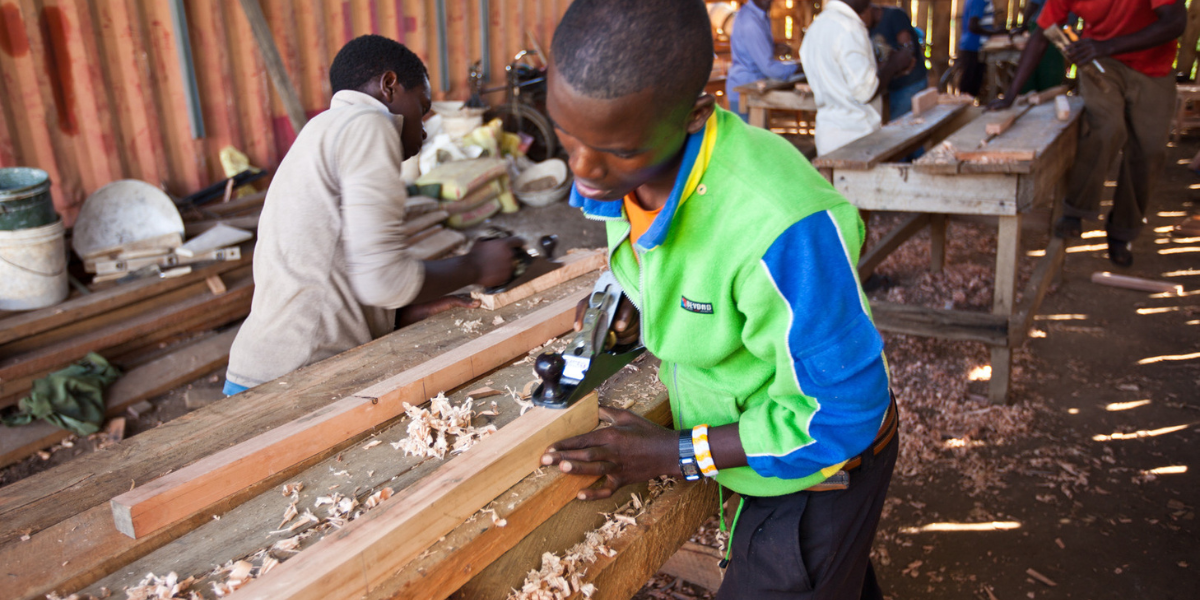
ACO's vocational training programme is designed around exactly this evidence-aligned three-component model. Carpentry and tailoring — trades with demonstrated local market demand in Southwest Cameroon — taught by master craftspeople from the region, integrated with a full entrepreneurship curriculum covering pricing, record-keeping, client management, and savings strategy, concluding with a professional-grade starter kit that allows graduates to generate income on day one.
In the case of programmes which offered a loan grace period and initial capital, this was expressed through participants taking more substantial risks with business investment which generated gains across dimensions of empowerment over the longer-term.
The ACO starter kit is the functional equivalent of this capitalisation moment — the bridge between skill acquired and livelihood generated that the evidence consistently identifies as the critical determinant of whether a training programme produces lasting economic change or simply a piece of paper.
What the returns look like: Each additional year of skills development boosts African learners' earnings by up to 11.4 percent — the highest return to education in any region globally. For the specific population ACO trains — young people previously entirely outside the productive economy — the return is categorical, not incremental: the difference between zero income and a sustainable livelihood, between economic dependence and economic contribution to the community.
Pillar Three: Zero Hunger & Nutrition — What the Research Shows
Nutrition is one of the most rigorously evidenced intervention areas in global development. The science is not ambiguous.
Scaling up nutrition interventions to address undernutrition globally will require an additional $13 billion annually over the next decade. This would mean just $13 per pregnant woman and $17 per child per year under five. These are not large numbers. They are among the most cost-effective investments in human development that exist anywhere in the literature.

The economic benefits of scaling up nutrition investments far outweigh the costs and offer substantial returns on investment. Every dollar invested in nutrition yields up to sixteen dollars in economic returns through improved health, enhanced education outcomes, and increased productivity throughout life — a return-on-investment ratio that almost no other development intervention can match.
The mechanism runs through the 1,000-day window — the period from conception to a child's second birthday — which research across dozens of countries and contexts has identified as the single most critical period for nutritional investment. Undernutrition during this window produces irreversible effects on brain development, immune function, and long-term cognitive capacity. These effects cannot be corrected by subsequent interventions, however well-designed. The window closes. The damage compounds.
But the evidence is equally clear about what makes nutrition programmes work — and it is not simply distributing food. In randomised controlled trials from Kenya and Malawi, vouchers effectively targeted households that would actually use nutritional products regularly, screening out 88% of those who would accept but not ultimately use them. Design specificity — ensuring interventions reach the households that will use them effectively — is the difference between evidence-backed impact and well-intentioned waste.
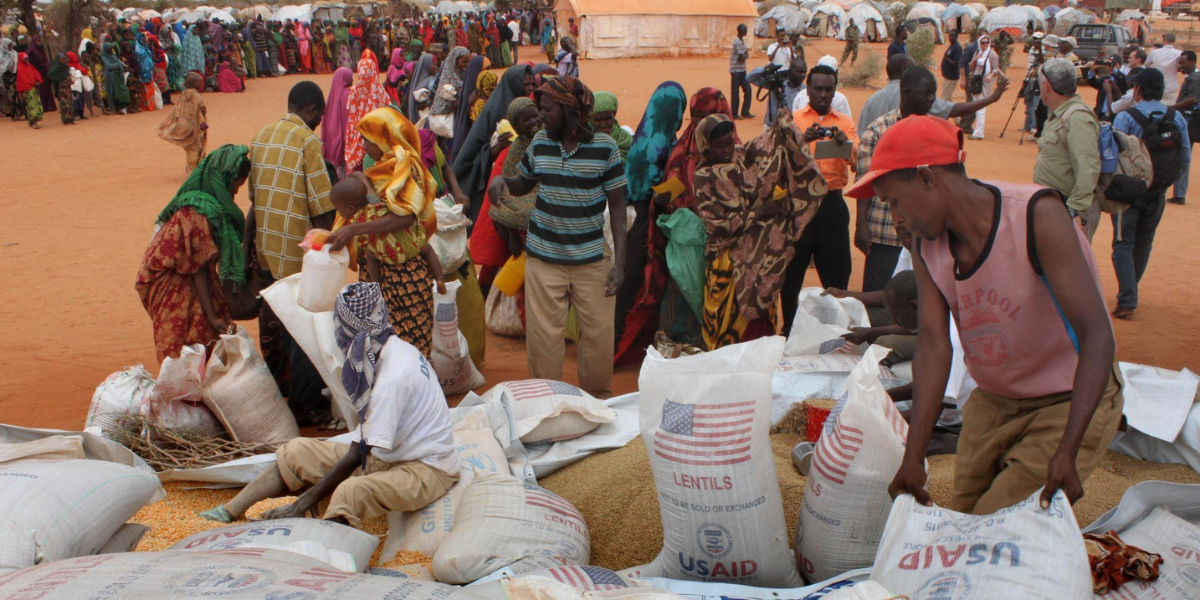
ACO's Zero Hunger Initiative reflects this design specificity at every level. Our community nutrition volunteers are from the communities they serve — people trusted enough to reach households that external actors cannot access, knowledgeable enough to identify the most vulnerable with precision. Our food packages are composed around the specific nutritional gaps of the Southwest Cameroonian diet — not generic caloric distributions but targeted micronutrient-dense compositions addressing the specific deficits documented in the Buea Health District. Our kitchen garden programme builds on the traditional home garden practices already prevalent in the region — not importing foreign agricultural models, but strengthening and diversifying what communities already know how to do.
What the returns look like: Addressing undernutrition in a low-income country yields some of the highest returns in development: reduced child mortality, improved cognitive development, better school performance, higher adult productivity, lower healthcare costs, and stronger economic growth at the community and national level. The World Bank's Investment Framework for Nutrition 2024 identifies nutrition as one of the most underfunded and highest-return areas in the entire global development portfolio.
Pillar Four: Health Outreach — What the Research Shows
The evidence on community-based health outreach — particularly vaccination, maternal health, and preventive care delivered through trusted community health workers — is among the most consistent in the development literature.
Evidence Action's analysis found that prenatal vitamins reduce serious complications like low birthweight by 12% and stillbirths by 8% — interventions whose impact is clear and whose cost per beneficiary is remarkably low. These gains accrue not just to the individual mother and child, but to the household's economic trajectory across years — a healthy child is a learning child, a learning child is a productive adult, a productive adult is a contributor to community prosperity.
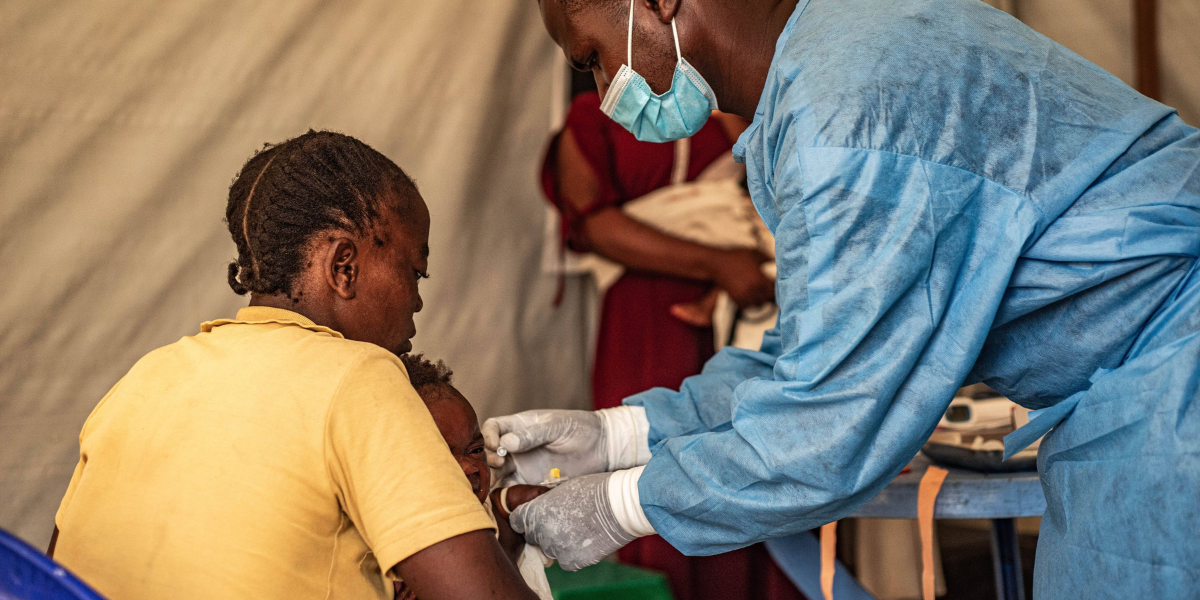
The specific challenge in conflict-affected Southwest Cameroon is not the absence of evidence-based interventions. It is the absence of delivery infrastructure. Communities exist where no government health worker travels. Vaccines sit in district health posts while children in remote villages remain zero-dose. Pregnant women deliver at home, without skilled attendance, not by choice but by inaccessibility.
Community health worker programmes — where trained, trusted community members provide basic health services and referrals within their own communities — are one of the most extensively evaluated models in global health. The evidence, across randomised trials in Uganda, Ethiopia, Bangladesh, and beyond, shows consistent improvements in vaccination rates, maternal health outcomes, child nutrition, and disease prevention when community health workers are well-trained, well-supervised, and embedded in communities they know.
ACO's health outreach workers are recruited from the communities they serve. They speak the languages. They know which households are hardest to reach and why. They carry the trust that no external actor, however well-resourced, can manufacture. And they work within ACO's integrated model — connecting the families they reach not just to vaccines but to nutrition support, adult education, and livelihood programmes that address the underlying conditions that make health vulnerabilities so severe.
What the returns look like: Evidence Action has confirmed that vaccination is one of the most cost-effective interventions available to reduce child morbidity and mortality. In a context like Southwest Cameroon — where over 130,000 children are zero-dose and humanitarian access is constrained by conflict — the counterfactual is not marginal. It is the difference between a vaccinated child and a child who dies of a preventable disease before their fifth birthday.
Why Integration Multiplies Evidence: The Science Behind Our Holistic Model
Here is the argument that the evidence demands, and that the development sector has been slow to fully embrace.
Every one of ACO's four programme areas has a robust, independent evidence base showing it produces positive outcomes. But the most powerful argument for ACO's model is not the evidence for any single pillar. It is the evidence for what happens when evidence-based interventions in nutrition, education, health, and livelihoods are delivered in coordination to the same household, within the same community, in a mutually reinforcing sequence.
The science of this interaction is called complementarity — the phenomenon where the impact of intervention A is significantly larger when delivered alongside intervention B than when delivered alone, because the outcomes of each create the conditions that make the other more effective.
A concrete example: nutrition interventions produce larger cognitive gains when combined with educational stimulation. Educational programmes produce larger economic returns when combined with livelihood development. Livelihood programmes produce larger health improvements when combined with health outreach. Each combination generates returns that exceed the sum of the parts.
Through integrated and holistic approaches, we achieve synergy among programmes in health, education, water and sanitation, adult literacy, nutrition, improved farming, food security and microfinance — programmes that build and strengthen leadership skills and mobilise communities to raise awareness on crucial issues.
This is the architecture that ACO has built in Buea and the surrounding communities — not four separate programmes operating in parallel, but one integrated model designed around the specific complementarities that the evidence shows produce the deepest, most durable, most community-wide transformation.
Highly rigorous evidence connecting aid activities to improved life outcomes is found in academic literature. But rigorous evidence alone does not determine whether a particular organisation can implement it reliably across different settings.
This is where ACO's local rootedness becomes a scientific asset, not just a moral one. The evidence-based interventions we deliver work better in our hands than they would in the hands of an external actor, because they are delivered by people the community trusts, in languages the community speaks, in a cultural context the community has helped shape. Community trust is not a soft variable. It is a hard determinant of whether a vaccination is accepted, a literacy class is attended, a kitchen garden is tended, and a vocational training programme produces graduates who actually launch businesses rather than filing their certificates away.
How ACO Measures What We Do
An organisation that claims to be evidence-based must apply that standard to its own work. We do.
ACO measures programme outcomes through a structured monitoring and evaluation framework applied across all four pillars. We track input indicators (what we deployed), output indicators (what we delivered), outcome indicators (what changed in participants), and — where feasible over longer time horizons — impact indicators (what changed in communities).
This means, concretely:
For Adult Education, we track literacy and numeracy assessments before and after the programme, women's self-reported confidence in asserting land and legal rights, participation rates in community decision-making, and economic activity among graduates at six-month and twelve-month follow-up.
For Vocational Training, we track graduation rates, starter kit utilisation, business launch rates among graduates, income at three-month and twelve-month follow-up, employment of other community members by graduates, and geographic retention (the degree to which training prevents urban migration).
For Zero Hunger, we track household dietary diversity scores — a validated instrument that measures the range of food groups consumed over a 24-hour period and is strongly correlated with nutritional adequacy — alongside child weight-for-age measurements in households receiving nutrition support, kitchen garden productivity, and household food security status using the Household Food Insecurity Access Scale.
For Health Outreach, we track vaccination rates among children under five in target communities, antenatal care attendance, facility delivery rates, early identification of malnutrition through community screening, and referral completion rates for identified cases.
We are not presenting these metrics as a claim of perfection. We are presenting them as a commitment to accountability — the recognition that an organisation that does not measure its own impact cannot claim to be evidence-based, and cannot honestly represent its work to the donors and partners who trust it.
The Strategic Case: Why ACO Is Built to Last
The development sector has, over decades, produced a clearer picture of what distinguishes organisations that generate lasting impact from those that generate lasting dependency. The evidence clusters around a set of organisational characteristics that are worth naming explicitly — because ACO was built around them from the beginning.
Local leadership and cultural embeddedness. The evidence consistently shows that locally led organisations outperform externally managed ones on long-term sustainability, community trust, cultural appropriateness, and the ability to adapt to changing circumstances. ACO is Cameroonian, led by people from the Southwest, operating in communities they are part of.
Integrated programming. The evidence on complementarity, described above, makes a strong case for holistic models over single-issue ones. ACO's four-pillar integration is not an organisational convenience. It is a strategic choice grounded in the science of how poverty actually works.
Community ownership and participation. Adding equitable stakeholder engagement to programme design anchors the research culturally, making it more meaningful to stakeholders. Replicability in other conditions is straightforward when communities have participated in designing the approach. Every ACO programme is designed with community input, delivered with community facilitation, and evaluated with community participation.
Long-term commitment over short-term cycles. The evidence on sustainable development is unambiguous: interventions that are time-limited and externally driven produce time-limited effects. ACO is designed for the long run — building relationships, institutional memory, and community capacity that outlasts any single funding cycle.
Honest self-evaluation. Continuously assessing what is working, adapting approaches based on new evidence, and measuring results against community needs is the operating standard of the most effective development organisations in the world. ACO holds itself to this standard — not as a donor requirement, but as a basic ethical commitment to the communities we serve.
What This Means for You as a Supporter
The science of sustainable charity has an implication for donors that is worth stating plainly.
Not all giving is equally effective. An emotionally compelling appeal does not guarantee that a programme works. A large and well-known organisation does not guarantee that resources reach communities efficiently. A dramatic photograph does not guarantee that the intervention it represents produces lasting change.
What the evidence demands of thoughtful donors is exactly what it demands of effective organisations: rigour, honesty, and the willingness to follow the data to uncomfortable conclusions — even when those conclusions require choosing a less visible, less emotionally immediate investment over a more photogenic but less effective one.
ACO is not the largest organisation working in Southwest Cameroon. We are not the most famous. We do not have a celebrity ambassador or a global campaign. What we have is a locally rooted, evidence-aligned, integrated model, delivered by people who belong to the communities they serve, designed around what the most rigorous global research says actually works — and held accountable to that standard through honest, continuous measurement of our own results.
If you are looking for the most strategic place to direct your charitable support in Southwest Cameroon — the approach most likely to produce lasting, compounding, community-wide change — we believe, with the full weight of the evidence behind us, that you have found it.
John Snow did not end the cholera outbreak with a better emotional appeal. He ended it by finding the pump. By following the evidence. By acting on what actually worked.
That is what ACO does, every day, in the villages outside Buea.
And we would be honoured to have you standing with us when we do.

Leave a comment
Your email address will not be published. Required fields are marked *